The History of Ciclismo Results
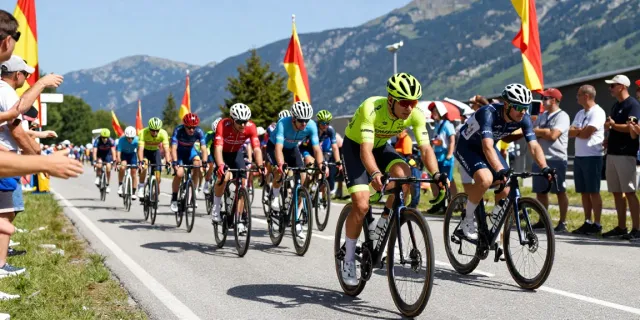
Since its inception, cycling has evolved into a thrilling sport that captivates audiences worldwide. The journey of competitive cycling traces back to the late 19th century, with the first organized cycle races taking place in France. Over the years, the sport has witnessed dramatic transformations in race formats, athlete dynamics, and technological advancements, all of which have contributed to the rich tapestry of ciclismo results. Recognizing these historical milestones is essential for appreciating how the sport has reached its current state, especially as we prepare for key events such as the 2026 cycling competitions.
Key Milestones in Competitive Cycling
Throughout the decades, several key milestones have marked the evolution of competitive cycling. The Tour de France, established in 1903, stands as one of the most significant events in the sport, garnering global attention and serving as a benchmark for excellence. Other notable races, such as the Giro d'Italia and Vuelta a España, have also carved their niche in cycling history, showcasing the talents of countless athletes.
Evolution of Race Formats
The format of cycling races has changed significantly over the years. Initially, races were often long and arduous, with little regard for safety or regulations. Today, structured events include time trials, criteriums, and stage races that not only enhance the excitement but also provide a clearer framework for results. These transformations reflect a growing understanding of athlete performance and spectator engagement.
Influential Athletes Over the Years
Athletes such as Eddy Merckx, Miguel Indurain, and, more recently, Tadej Pogačar and Remco Evenepoel have significantly impacted the sport. Their exceptional skills and record-breaking performances set new standards, inspiring future generations of cyclists and shattering previous records. Each athlete has contributed uniquely to the legacy of ciclismo, further enhancing the competitive landscape.
Current Trends in Ciclismo Results
As we navigate through 2026, the landscape of ciclismo is shaped by modern technology, shifting team dynamics, and the ever-present influence of social media. These trends not only affect how results are reported and analyzed but also fundamentally alter the spectator experience and athlete training methodologies.
Impact of Technology on Performance Tracking
Modern technology plays a pivotal role in the analysis and tracking of cycling performance. Advanced data analytics tools now allow teams to gather real-time insights on rider pace, heart rate, and power output. This data is crucial for strategic planning during races, enhancing athletes' chances of achieving favorable results. As we look ahead, the integration of artificial intelligence may further refine these processes, making race predictions and performance evaluations even more precise.
Influence of Social Media on Race Coverage
Social media platforms have revolutionized the way cycling events are covered and consumed. Fans can follow live updates, engage with athletes, and participate in conversations surrounding their favorite riders and teams. This direct interaction has increased overall interest in the sport, leading to larger audiences and greater commercial opportunities. Events in 2026 are likely to see even more innovative uses of social platforms to boost viewer engagement.
Changing Dynamics of Team Strategies
Team strategies in cycling are evolving as the nature of competition shifts. The prominence of data analysis and real-time decision-making allows teams to adapt their tactics on the fly. This flexibility can lead to stunning race results, as seen in events like the recent Vuelta 2026, where strategic moves by teams have proven decisive. Understanding these dynamics is essential for fans and analysts who seek to decode the complexities of racing outcomes.
Noteworthy Events of 2026
The year 2026 is shaping up to be a landmark year in cycling, with several key events on the horizon. From thrilling mountain biking competitions to prestigious road races, the cycling world is buzzing with anticipation for what’s to come.
Highlights from the Mondiali MTB 2026
The Mondiali MTB 2026, taking place in Val di Sole, promises to showcase the best mountain biking talent in the world. With 13 athletes from Canyon gearing up for the competition, all eyes will be on stars like Mathieu van der Poel and Emma Rissveds, both of whom are expected to deliver remarkable performances. Their past track records suggest that they could be strong contenders for the podium, making this event a must-watch.
Memorable Performances in the Vuelta 2026
The Vuelta 2026 has already provided fans with memorable moments, particularly the stunning solo victory by Andreas Leknessund at Valdelinares. His ability to maintain a lead in challenging conditions highlights the unpredictability and excitement of competitive cycling. Additionally, Tadej Pogačar continues to impress with his climbing prowess, often attacking fellow competitors and reshaping the race dynamics.
Emerging Stars and Their Impact
As seasoned athletes like Pogačar dominate, new stars are also beginning to make their mark. Riders such as Oscar Onley and Ramses Debruyne are showing potential to change the landscape of ciclismo results. Their performances indicate a bright future for the sport, as fresh talent brings new strategies and excitement to the competition.
Challenges in Cycling Reporting
Despite the advancements in technology and the growing popularity of cycling, numerous challenges remain in the accurate reporting of race results. Addressing these challenges is critical for maintaining integrity in the sport and ensuring fans receive reliable information.
Accuracy and Reliability of Results Reporting
One of the primary challenges in cycling reporting is ensuring the accuracy and reliability of results. With the rise of real-time updates, it's crucial that the information provided is verified to prevent misinformation. Organizations and media outlets must invest in robust systems that can accurately report outcomes as they happen, thus maintaining trust among fans and stakeholders.
Addressing Viewer Expectations and Engagement
As cycling gains popularity, so do viewer expectations. Fans today demand not only live updates but also in-depth analysis and engaging content surrounding the events. Meeting these expectations requires media outlets to innovate continuously and provide comprehensive coverage that includes insights into team strategies, athlete backgrounds, and race conditions.
Overcoming Language Barriers in Coverage
With a global audience, language barriers pose a significant challenge for cycling reporting. To enhance viewer engagement, platforms must offer multilingual content and real-time translations, allowing fans from various regions to access the information they crave. This inclusivity will strengthen the sport's fan base and promote deeper connections with the community.
The Future of Ciclismo Results
Looking ahead, the world of ciclismo is poised for exciting developments. As new technologies emerge and audience engagement strategies evolve, we can expect significant shifts in how cycling is experienced and reported.
Predictions for Upcoming Competitions in 2026 and Beyond
As the competitive season unfolds, predictions about the outcomes of major races will be shaped by current trends and athlete performances. The anticipated rivalries and emerging talents will likely lead to unpredictable outcomes, making future competitions particularly thrilling. Analysts expect that 2026 will see an unprecedented level of competitiveness, influenced by the health and form of key athletes.
The Role of Data Analytics in Racing
Data analytics will continue playing a crucial role in the sport, allowing teams to refine their training regimens and racing strategies. Enhanced analytics will provide deeper insights into performance metrics and help identify the strengths and weaknesses of competitors, thereby shaping future race results.
Anticipating Changes in Viewer Engagement
As technology evolves, so will viewer engagement strategies. We can anticipate an increase in interactive features during live broadcasts, allowing fans to engage in real-time polls, discussions, and analyses directly through their devices. Such innovations could transform cycling viewership into a more immersive experience, bridging the gap between viewers and the races they love.